Air-Source Heat Pumps
An air-source heat pump is a low-carbon way to heat your home and hot water.
Learn more about Air-Source Heat Pumps
Good insulation helps a home hold on to heat. We’ll help you explore loft, wall and other fabric improvements and what funding routes may be worth looking at.
Free, no-obligation enquiry. Funding and eligibility depend on scheme rules and your circumstances.
assets/images/service-insulation.jpg
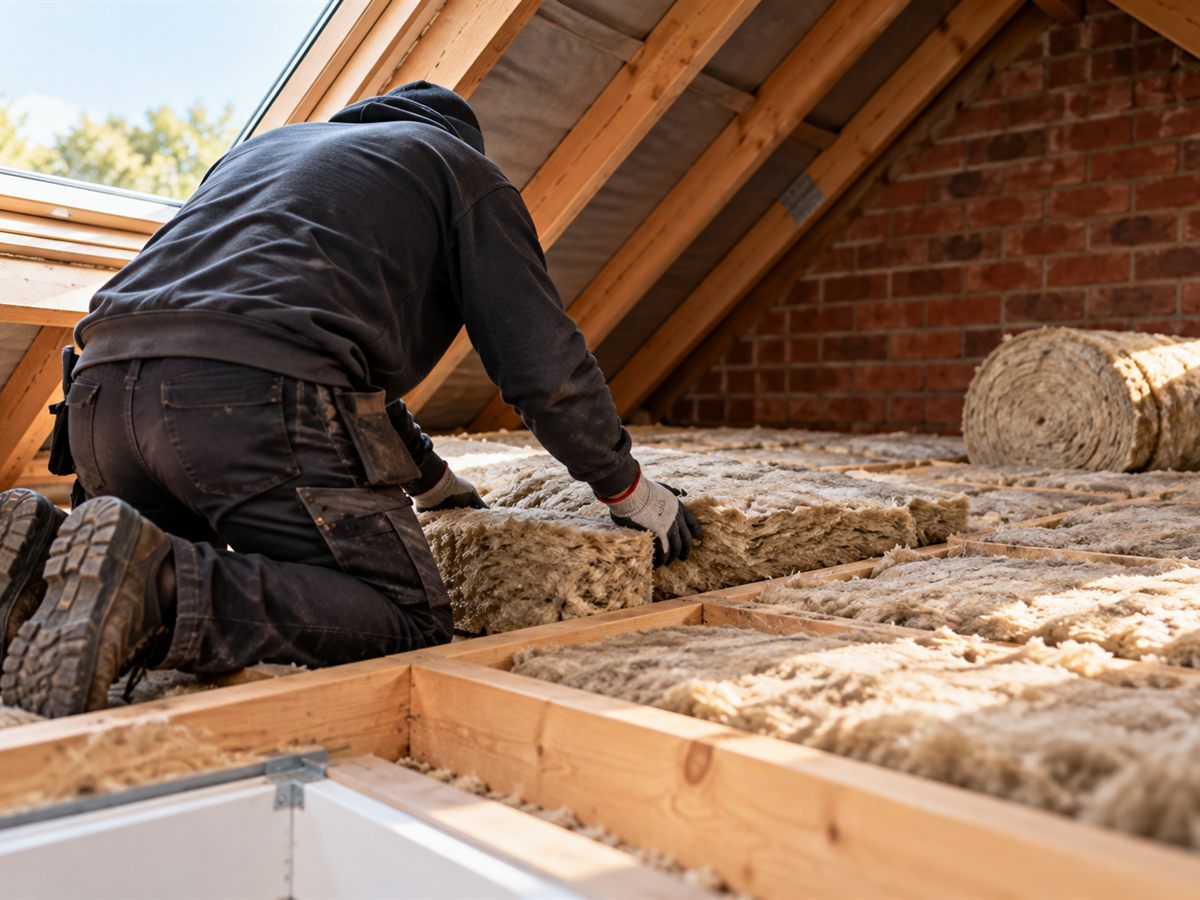
Insulation slows the rate at which heat escapes from your home. Improving the “fabric” of a building – the roof, walls, floors, windows and doors – is often the first step in making it warmer and less expensive to heat.
Common measures include loft insulation, cavity wall insulation for homes with a suitable cavity, and solid wall insulation (fitted internally or externally) for older properties. Other fabric improvements can include floor insulation, draught-proofing, and upgrading windows and doors.
Insulation is often recommended, and in some cases required, before other measures such as a heat pump or certain funded works. That is because a well-insulated home usually makes other improvements work better.
Warm Homes Marketplace is a marketplace, not an installer. We connect suitable enquiries with experienced installation partners.
Every home and household is different, so the benefits you see will depend on your circumstances.
Reducing heat loss may help rooms stay warmer for longer and reduce cold spots and draughts.
Keeping heat in may mean your heating needs to work less hard, which could help reduce energy use.
Fabric improvements can help improve a property’s energy performance rating, which matters to owners, buyers and landlords.
Insulation can make measures like heat pumps work more effectively, and may be needed before some other works.
What is possible depends on how your home was built. These are the things typically considered:
Not sure? You don’t need to know the answers. Tell us about your property and we’ll help you understand your options.
Funding towards insulation may be available in some circumstances, depending on the rules of the relevant scheme and your household. Our funding page explains the kinds of things that are usually taken into account.
Please note: Funding and eligibility depend on the rules of the relevant scheme and your individual circumstances. Submitting an enquiry does not guarantee funding, eligibility or installation.
Many homes built from around the 1920s onwards have two layers of brick with a gap between them, known as a cavity, which can often be filled. Older homes may have solid walls, which are usually insulated on the inside or outside instead.
Not always, but it is often recommended, and it may be required for some funding routes. An assessment will show what is appropriate for your home.
When installed properly in a suitable property, it should not. Ventilation and the condition of the building are checked as part of a good assessment.
Loft insulation is one of the most common improvements, but the right starting point depends on your home. Your enquiry will help identify what is worth looking at.
An air-source heat pump is a low-carbon way to heat your home and hot water.
Learn more about Air-Source Heat PumpsSolar panels turn daylight into electricity you can use at home.
Learn more about Solar PVTell us a little about your property and we’ll help you explore the options and potential funding routes. It’s free and there’s no obligation.
Check Your Options